Red Pandas History
Hidden within the high mountain ranges of Asia, the red panda has a story that stretches back millions of years. Fossil evidence suggests that their ancestors once roamed across Europe and North America, long before settling in the bamboo-filled forests of modern-day Nepal, Bhutan, China, and Myanmar. Unlike their black-and-white namesake, the giant panda, red pandas belong to their own unique family, Ailuridae, making them a one-of-a-kind survivor in the animal kingdom. Early naturalists were captivated by their foxlike face, fiery coat, and catlike grace, but for many years, scientists debated where exactly they belonged in the tree of life—were they raccoons, bears, or something entirely different? Today, genetic research confirms that the red panda stands alone, an ancient lineage that has endured the shifting climates and landscapes of time.
\
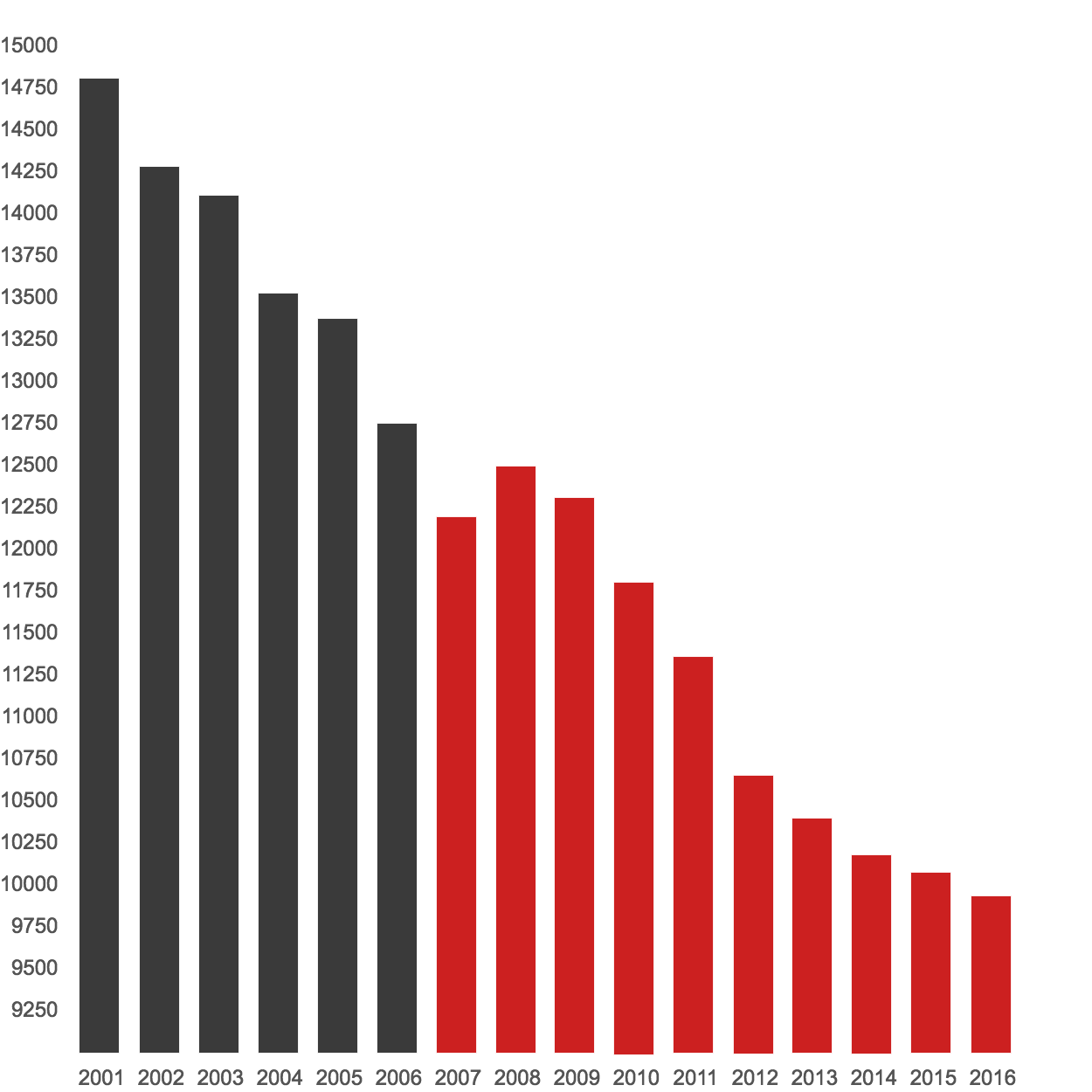
Despite their long evolutionary journey, the modern red panda faces new and urgent challenges. As deforestation, habitat loss, and climate change continue to reshape the Himalayan ecosystem, their population has dwindled, placing them on the endangered species list. Local communities and international organizations have stepped forward to protect the remaining habitats, build sanctuaries, and educate others about their importance. Beyond their ecological role as seed spreaders and bamboo consumers, red pandas hold deep cultural significance across Asia, symbolizing balance, gentleness, and the quiet endurance of nature. From ancient folklore to modern conservation campaigns, their story is one of resilience and beauty—a reminder that even the smallest creatures cam have